
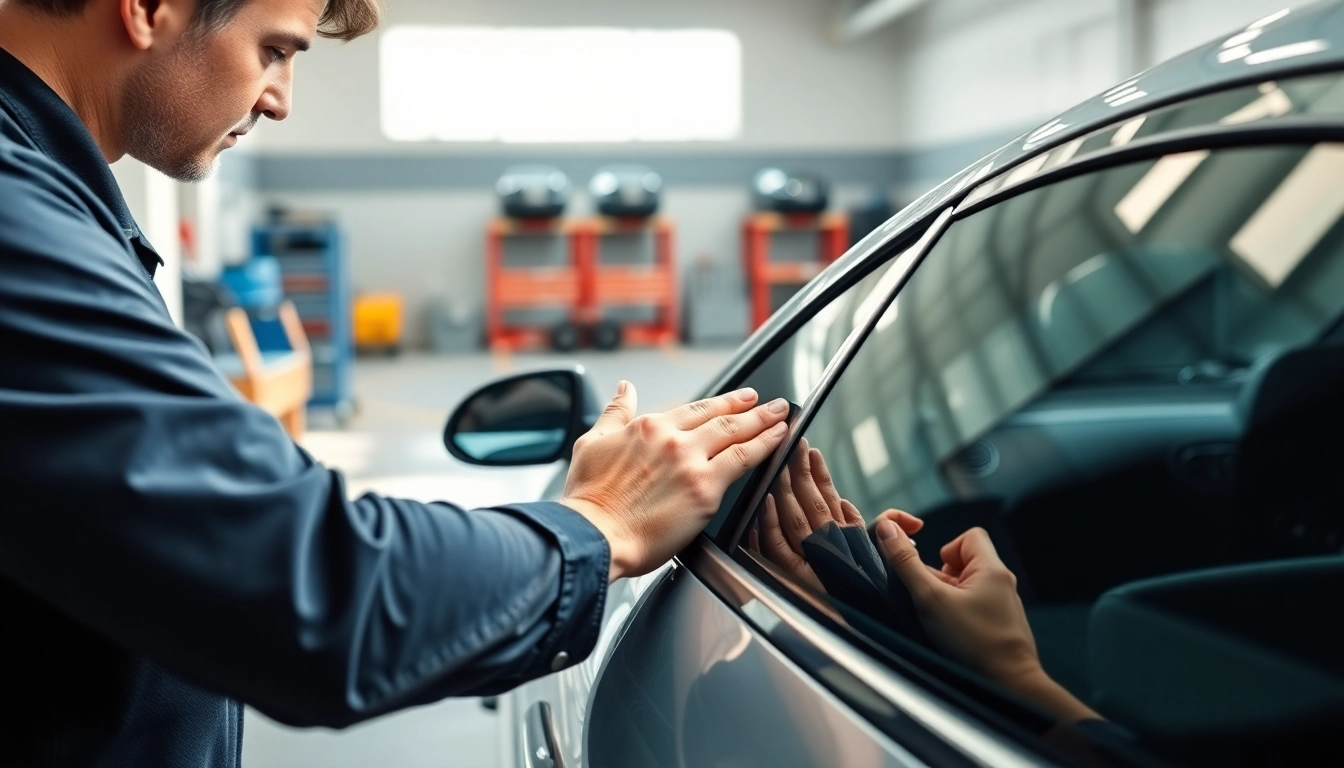
Understanding Window Tinting Basics
What is Window Tint?
Window tint refers to a thin film applied to car or building windows that serves a variety of functional and aesthetic purposes. These films come in different shades and materials, each tailored to fulfill specific needs. The application of window tint not only enhances the appearance of the glass but offers protection from harmful UV rays, reduces heat, and adds privacy. As individuals seek to improve both comfort and style, the demand for window tint near me continues to rise.
Benefits of Window Tint
Choosing to invest in window tinting can yield numerous benefits. Firstly, it provides enhanced privacy, shielding the interior of a vehicle or building from prying eyes. Secondly, window tints block up to 99% of harmful UV rays, significantly reducing the risk of skin cancer and protecting upholstery from fading. Thirdly, the films help regulate temperature by keeping interiors cooler, which can lead to lower energy costs in buildings and increased comfort in vehicles. Lastly, window tinting can reduce glare, making driving safer and enhancing visibility indoors.
Types of Window Tint Films
There are various types of window tint films available, and selecting the right one can greatly influence the overall effectiveness and longevity of the installation. Common types include dyed films, which are popular for their affordability but may not provide as much heat rejection. Metallized films offer a reflective quality that enhances UV protection and durability. Ceramic films, known for their high performance, reject heat without a shiny appearance. Lastly, hybrid films combine elements of dyed and metallized films for a balanced approach to solar control and aesthetics.
How to Choose the Right Window Tint Near Me
Factors to Consider
When searching for the right window tint service, several factors must be taken into account. Assessing the type of tint film suitable for your needs is essential. Additionally, consider the service provider’s reputation, reviews, and years of experience. Warranty options will also play an important role, as a reliable warranty indicates confidence in the product and installation quality. Lastly, check for any additional services, such as mobile installation or complementary services, which can enhance overall satisfaction.
Local Regulations and Compliance
In many regions, there are specific laws governing window tinting that vary by state or locality. It’s imperative to be aware of these regulations, as non-compliance can lead to fines or mandatory removal of the tint. These regulations often dictate the allowed darkness (VLT percentage) and reflectivity levels, especially for vehicle windows. Therefore, before choosing the right service provider, ensure they are knowledgeable about and compliant with local rules concerning window tinting.
Reputation of Tinting Services
Researching the reputation of local tinting services is crucial. Look for customer testimonials, online reviews, and recommendations from friends or family. Established services often provide high-quality materials, expert installation, and excellent customer service. Consider visiting local forums or social media groups dedicated to car and home improvement for real-life feedback on the providers in your area. Quality installations last longer and lead to greater satisfaction with your window tint.
Window Tinting Process Explained
Preparation for Tinting
The preparation for window tinting is a vital step that ensures optimal results. Initially, the windows must be thoroughly cleaned to remove any dirt, dust, or debris. This is essential as any residue may impede the adhesion of the film. Next, the windows should be assessed for any existing damage that could affect the installation. If repairs are necessary, they should be addressed before applying the tint. Finally, carefully choosing the right shade and type of film according to personal preferences and regulatory limitations completes the preparation stage.
Application Techniques
Window tint application techniques can vary depending on the type of film and the specific characteristics of the glass surface. The most common methods include the wet method, where a solution is sprayed on the glass to facilitate the film’s positioning, and the dry method, which applies the film directly without any solution. Experienced technicians will utilize specialized tools such as squeegees, heat guns, and cutting equipment to ensure that the film adheres perfectly while maintaining a flawless appearance.
Curing Time and Maintenance
After application, the curing time is crucial to the longevity of the tint. Typically, it takes between 3 to 30 days for the film to cure fully, depending on environmental conditions and the specific tint product used. During this curing period, it is vital to avoid rolling down the windows or cleaning the tint to prevent damage. Post-curing, maintaining the tint involves regular cleaning with non-abrasive materials and avoiding strong chemicals that could degrade the film.
Cost of Window Tint Near Me
Average Pricing Breakdown
The cost of window tinting can vary widely based on factors like the size of the vehicle or window, the type of film used, and the service provider. On average, prices can range from $100 to $800 for vehicle tinting, while residential tinting may cost between $250 and $1000 depending on the square footage. It’s advisable to get multiple quotes to better understand pricing in your area, ensuring one selects a service that fits their budget without compromising quality.
Factors Influencing Cost
Several factors influence the overall cost of window tinting. High-quality materials such as ceramic films typically cost more than standard dyed films. Additionally, the complexity of the installation can affect pricing; for instance, vehicles with many windows or unique shapes may require more time and skill to tint correctly. Lastly, the location of the service often impacts cost due to local market conditions, labor rates, and competition among tinting companies.
Budgeting for Quality Services
When budgeting for window tinting services, it’s essential to balance cost and quality. Investing in premium materials may result in a higher initial outlay, but the benefits of superior heat rejection, UV protection, and longevity can offer significant savings over time. Consider setting aside a budget that accommodates both the tinting and any potential upgrades or additional services, ensuring that you receive a comprehensive solution tailored to your needs.
Frequently Asked Questions
How long does window tint last?
Typically, high-quality window tints last anywhere from 5 to 15 years. This lifespan depends on the film’s quality, installation, and environmental factors.
Can I do it myself?
While DIY window tinting kits are available, professional installation ensures better adherence, longer longevity, and fewer bubbles or imperfections.
Will tinting affect my car warranty?
Generally, window tinting should not void a car’s warranty. However, it’s advisable to check the warranty details and guidelines for any specific conditions.
Does window tint reduce glare?
Yes, window tint effectively reduces glare, enhancing visibility during bright conditions, thus improving driving safety and comfort indoors.
How do I care for tinted windows?
Caring for tinted windows involves avoiding harsh chemicals, using soft cloths for cleaning, and keeping the windows rolled up during the curing period for optimal results.