
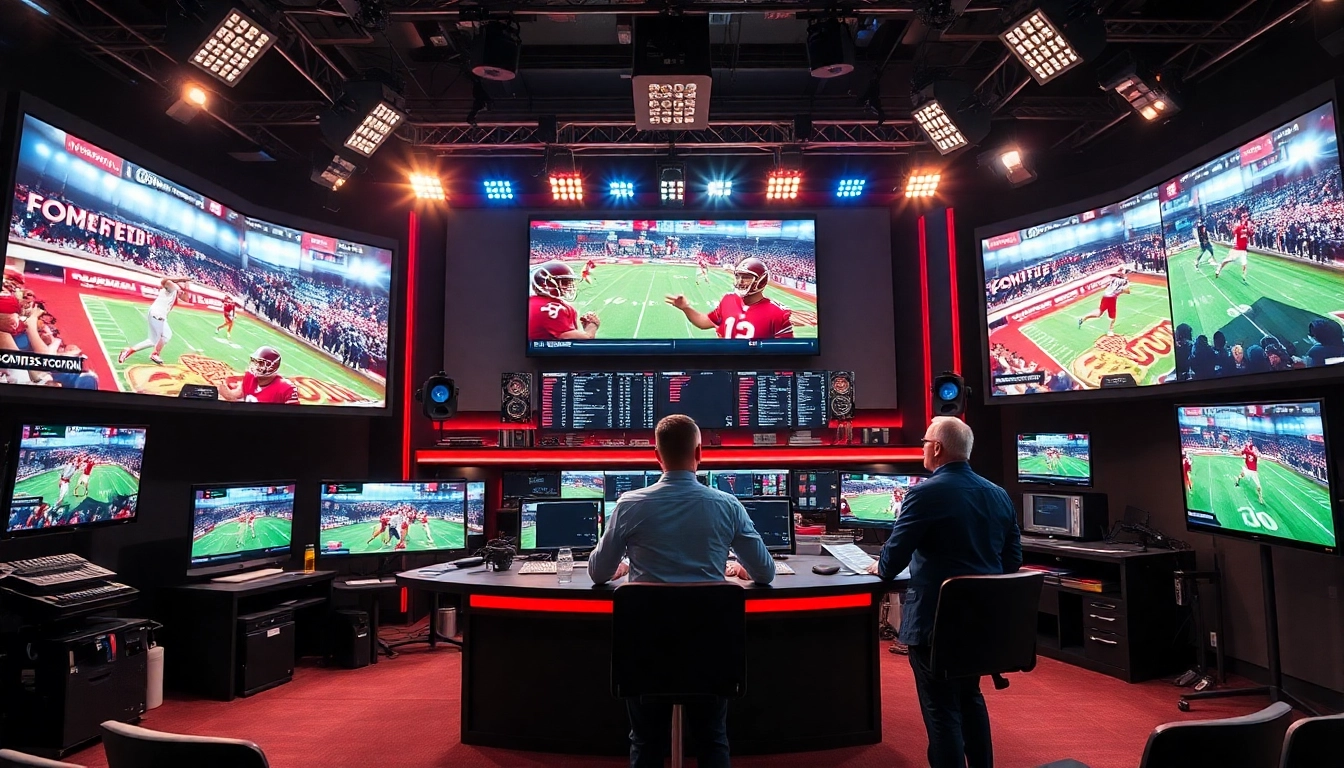
Understanding the Evolution of Sports Broadcasting
Historical Context of Sports Broadcasting
Sports broadcasting has come a long way since it first emerged in the 1920s, when radio broadcasts began to air live sports events. This transformation marked a significant shift in how fans experienced their favorite sports, allowing them to engage with events from their homes. By the 1930s, television began capturing the imaginations of audiences, introducing visuals that brought sports to life in unprecedented ways. What started as a simple radio broadcast has evolved into a multi-platform, multi-billion dollar industry that delivers a variety of sports content across numerous mediums.
In the early days, sports broadcasts were limited in scope and frequency. However, the post-World War II era saw rapid advancements in communication technology, enabling wider broadcasts and higher-quality production. With the introduction of color television, engagement soared, making sports viewing an essential part of popular culture.
The Shift to Digital Platforms
The digital age marked another pivotal transition in sports broadcasting. The advent of the internet revolutionized how content was distributed and consumed. Traditional television networks faced competition from online platforms that offered streaming services, social media channels, and specialized sports apps. Today, viewers have more control than ever, allowing them to choose when and how they watch their favorite sports.
This digital shift not only changed viewing habits but also encouraged broadcasters to experiment with new delivery methods. Live streaming became an essential part of the landscape, as platforms began to utilize less restricted access models. Fans could now watch games from their mobile devices or laptops, meaning that geography had less of an impact on access to sports. Moreover, sports leagues capitalized on this trend by developing their own streaming services to reach audiences directly.
Emerging Trends in Viewer Engagement
As viewership expanded in the digital space, broadcasters began to implement strategies to enhance viewer engagement. Interactive features, personalized content, and gamification are just a few examples of how organizations strive to enhance the viewing experience. Broadcasters now leverage data analytics to tailor content to individual preferences, ensuring that fans receive curated highlights and updates that resonate with them.
Moreover, the rise of social media platforms has fostered real-time engagement between fans and sports personalities, allowing direct interaction, sharing of highlights, and behind-the-scenes content that enhances the overall experience. This blend of technology and viewer engagement strategies has transformed how sports broadcasts operate, turning them into dynamic experiences rather than static broadcasts.
Key Technologies Driving Sports Broadcasting
Live Streaming Innovations
Live streaming is one of the most transformative technologies in the sports broadcasting realm. It allows fans instant access to games from virtually anywhere, breaking down previous barriers of time and geographical location. Modern broadcasters have adopted various streaming technologies to deliver high-definition content seamlessly, ensuring smooth viewing experiences even during high-demand events.
Additionally, innovations like 360-degree video and multi-camera angles provide viewers unique perspectives, enhancing immersion. Viewers can choose how they experience the game, whether through the lens of a player’s viewpoint or an aerial shot of the stadium. Such advancements not only capture the excitement of a live event but also cater to diverse viewer preferences, keeping audiences more engaged than ever.
Augmented Reality and Enhanced Viewing Experiences
Augmented reality (AR) is gaining traction in sports broadcasting, allowing broadcasters to overlay digital information onto live feeds. This technology enhances the viewer experience by providing contextual statistics, player bios, game analytics, and more, all in real-time. AR enriches storytelling and provides fans with a deeper understanding of the game.
Moreover, interactive AR features enable fans to participate during broadcasts by answering trivia, predicting outcomes, or even interacting with the broadcasted content. This engagement not only keeps viewers entertained but also fosters a community-oriented atmosphere conducive to fan bonding and brand loyalty.
Data Analytics in Sports Broadcasting
Data analytics plays a crucial role in shaping the future of sports broadcasting. By analyzing viewer behaviors and preferences, broadcasters can refine their content strategies to optimize engagement. Detailed analytics allow networks to understand peak viewing times, audience demographics, and content performance, enabling them to develop tailored marketing campaigns.
In addition, data-driven insights support programming decisions, from selecting which games to broadcast to determining promotional strategies. As resources continue to become more affordable, even smaller networks can utilize advanced analytics tools to enhance their offerings, bridge gaps in audience reach, and ensure higher engagement.
Content Strategies for Effective Sports Broadcasting
Creating Compelling Storylines
Compelling storytelling is fundamental to sports broadcasting, transforming a simple game into an engaging narrative. Broadcasters need to go beyond just play-by-play; they must create story arcs, character developments, and emotional engagement that keep viewers invested throughout the event.
Utilizing historical context, player backgrounds, and even real-time developments can significantly enhance the narrative. Successful sports broadcasts often intertwine statistics, highlight reels, and personal stories, crafting an experience that resonates with fans and encourages them to return for future events.
Leveraging Social Media for Engagement
Social media has revolutionized how sports organizations interact with their audiences. Platforms like Twitter, Instagram, and TikTok serve as critical communication channels that allow broadcasters to reach fans instantaneously, share live updates, and amplify storytelling. Engaging with fans through social media can take many forms, including engaging polls, interactive clips, and behind-the-scenes content, fostering a strong community.
Incorporating social media engagement into broadcasts allows networks to capitalize on trending topics, incorporating real-time fan reactions into their coverage while enhancing overall engagement. This symbiotic relationship between sports broadcasting and social media platforms makes fans feel involved and connected with the content, sharpening their loyalty.
Utilizing Interactive Features for Viewers
Interactivity is becoming a key feature in modern sports broadcasting. Broadcasters increasingly provide features like in-game polls, fan voting on content, or even virtual watch parties to draw in audiences. These elements give viewers a voice and a sense of belonging, thereby enriching the overall experience.
Using second-screen experiences, broadcasters can deepen engagement, offering complementary content that enhances the main viewing experience. Live statistics, player comparisons, and fan forums can create a multi-dimensional experience that keeps viewers glued to their screens.
Challenges and Solutions in Sports Broadcasting
Addressing Audience Fragmentation
One of the primary challenges in sports broadcasting is audience fragmentation. With countless platforms and viewing options, it’s increasingly difficult to attract and retain viewers. To address this, broadcasters must adopt more dynamic and personalized offerings, catering to niche demographics and interests.
Understanding the unique preferences of different audience segments allows broadcasters to tailor content that resonates with specific groups rather than a one-size-fits-all solution. Innovations like localized content or specific programming aimed at targeted interests can help attract more fans across various platforms.
Combating Content Saturation
As more content becomes available through multiple platforms, saturation poses a significant hurdle for sports broadcasters. To stand out, organizations must invest in creating high-quality, engaging programming that captivates their audiences. Unique content strategies, such as documentary-style programming, behind-the-scenes access, or fan-centered initiatives, can differentiate a broadcast.
Furthermore, experimentation with varied formats—like shorter, digestible content for social media—can enhance viewer engagement while maintaining freshness in the lineup. Ultimately, creating distinct and memorable content will be key to overcoming saturation.
Overcoming Technical Barriers
Technical hurdles can impede the smooth delivery of quality sports broadcasts. Factors like unreliable internet connections, inadequate infrastructure, or outdated technology can severely impact the viewing experience. Organizations must invest in reliable streaming technology and robust support systems to ensure high-quality broadcasts.
Continuous training for technical staff and adoption of cutting-edge tools can also address these barriers, ensuring that broadcasters remain competitive and capable of delivering seamless experiences to viewers regardless of the platform.
Future Predictions for Sports Broadcasting
Shifting Consumer Preferences
As consumer preferences evolve, the sports broadcasting landscape is likely to see significant changes in the types of content that resonate with audiences. Younger generations tend to prefer on-demand experiences over traditional viewing, prompting broadcasters to adjust their strategies. Meeting consumers where they are—whether through mobile, on-demand services, or social platforms—will be essential in maintaining audience loyalty.
Innovations on the Horizon
Looking ahead, innovation will continue to drive the future of sports broadcasting. Emerging technologies, such as virtual reality and artificial intelligence, present opportunities to transform viewer experiences. VR technologies can enable immersive experiences, allowing fans to “attend” games from their homes, while AI can provide enhanced content recommendations and analytics-driven insights.
Long-term Impact of Technology on Broadcasting
The long-term implications of technological advancements on sports broadcasting are profound. Access to higher quality streams, coupled with interactive features, will ensure that demand for engaging content persists. As technology continues to evolve, the relationship between fans and sports content will be continually redefined, enhancing shared experiences and engagement across diverse platforms.
In conclusion, the realm of Sports Broadcasting stands on the cusp of groundbreaking innovations and fundamental shifts driven by technology and consumer preferences. Continuing to adapt to these changing dynamics will be vital for broadcasters looking to enhance viewer engagement and sustain their relevance in a fast-paced digital environment.
FAQs:
What is the role of data analytics in sports broadcasting?
Data analytics helps broadcasters understand viewer preferences, optimize content delivery, and improve audience engagement strategies effectively.
How has digital media transformed sports broadcasting?
Digital media has made sports accessible on various devices, enabling live coverage, instant replays, and personalized viewer experiences for fans.
What are the benefits of live streaming for sports events?
Live streaming allows fans to watch events in real-time from anywhere, increasing engagement and enabling broadcasters to reach larger audiences.
How can social media enhance sports broadcasting?
Social media provides platforms for real-time interaction, enabling broadcasters to engage with audiences through updates, comments, and highlights.
What future trends are expected in sports broadcasting?
Future trends may include increased use of virtual reality, interactive content, and more personalized viewing experiences to cater to diverse audiences.